Commercial property value is driven by a combination of tenant appeal, operational efficiency, code compliance, and the condition of the building systems that tenants and buyers evaluate before signing leases or submitting offers. The projects that add value most consistently are those that address the factors prospective tenants and investors actually weigh: curb appeal and first impressions, energy performance and operating costs, mechanical system condition, and the functional quality of the spaces that tenants occupy and their customers experience.
Projects That Add Value Across Every Commercial Property Type
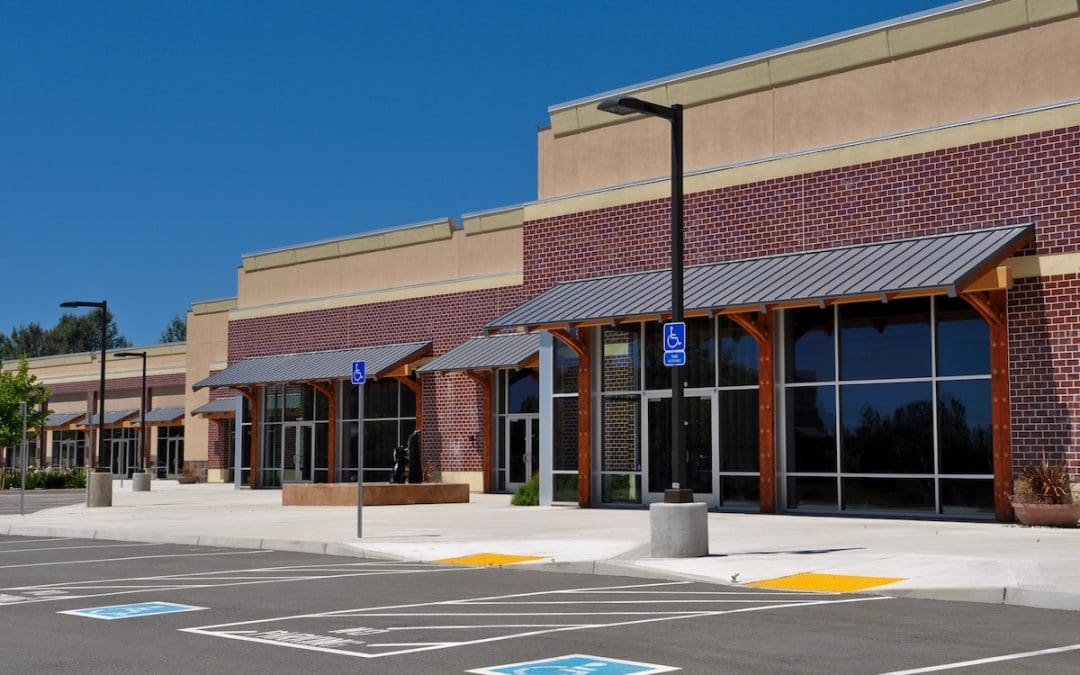
The exterior of a commercial property communicates ownership quality before anyone enters the building. A freshly sealed and striped parking lot communicates attention to detail and reduces liability exposure. Updated exterior lighting with LED fixtures improves safety and creates a welcoming environment after dark. Facade improvements, like fresh paint, repaired cladding, and cleaned masonry, are the exterior projects that add value most directly to tenant and buyer perception. A commercial building that looks well-maintained from the street attracts higher-quality prospective tenants, and the relationship between exterior condition and achievable rent rate is well-documented in commercial real estate. Defined, maintained landscaping scaled appropriately to the building produces the same effect at a fraction of the cost of structural improvements.
Energy and Mechanical Projects That Add Value to Operating Efficiency
The projects that add value most significantly from an investment return perspective are frequently those that reduce operating costs rather than improve aesthetics, because operating cost reductions translate directly into higher net operating income, which drives commercial property valuation. HVAC system upgrades are among the highest-return projects because aging mechanical systems create the most tenant friction, the most maintenance expense, and the most negotiating leverage for prospective tenants requesting concessions. LED lighting retrofits produce reduced energy consumption and lower maintenance frequency. Roof condition most directly affects insurability, tenant retention, and buyer confidence, a documented roof replacement with a transferable warranty removes one of the most common buyer objections from any commercial transaction.
Interior and Compliance Projects for Tenant Appeal
The interior projects that add value most effectively are those that improve the quality and functionality of the tenant experience rather than simply updating the aesthetics. Common area improvements are the projects that add value across all tenants in a multi-tenant property simultaneously and that most directly affect lease renewal decisions. A lobby that reads as current, clean, and professionally maintained communicates ownership quality to every person who enters the building. ADA compliance improvements are projects that reduce liability exposure, expand the range of tenants who can legally and practically occupy the space, and address the conditions that sophisticated tenants flag during their own due diligence. Properties with documented ADA compliance remove friction from the leasing process and present a cleaner profile to lenders and buyers than properties with known compliance gaps.
Frequently Asked Questions (FAQs)
Which projects have the fastest payback?
LED lighting retrofits and HVAC optimization consistently produce the fastest payback because they reduce operating costs immediately and measurably.
Do exterior improvement projects affect lease rates?
Yes, the relationship is direct. Prospective tenants evaluate exterior condition as an indicator of ownership quality and building management. A property with a freshly sealed parking lot, updated lighting, and a well-maintained facade achieves a stronger negotiating position on lease rates than a comparable property with deferred exterior maintenance.
How do I prioritize projects when the capital budget is limited?
Start with any conditions affecting insurability, code compliance, or existing tenant retention. Next, prioritize the projects that add value through operating cost reduction because their financial return is measurable and ongoing. Aesthetic and tenant appeal improvements follow, sequenced by proximity to lease expiration dates that make them most relevant.
Should I complete projects that add value before or after a commercial property listing?
Before, conditions visible during buyer due diligence become negotiating leverage that reduces the effective sale price. A replaced roof, a documented HVAC service, and a sealed parking lot become disclosed, resolved conditions rather than buyer objections that generate repair credits or price reductions. The projects that add value most to a listing are those completed before the property goes to market.
Can a commercial property inspection identify the projects that add value most?
Yes, a commercial property inspection evaluates the building’s systems, structure, exterior, and mechanical components and produces a documented assessment of conditions affecting value, leasability, and marketability. This converts the question of which projects that add value are most justified from a judgment call into a data-informed decision, the basis on which the most effective capital allocation decisions are made.
St. James Commercial Property Inspections offers inspection services in North Carolina and Southern Virginia. Contact us to request an appointment.