
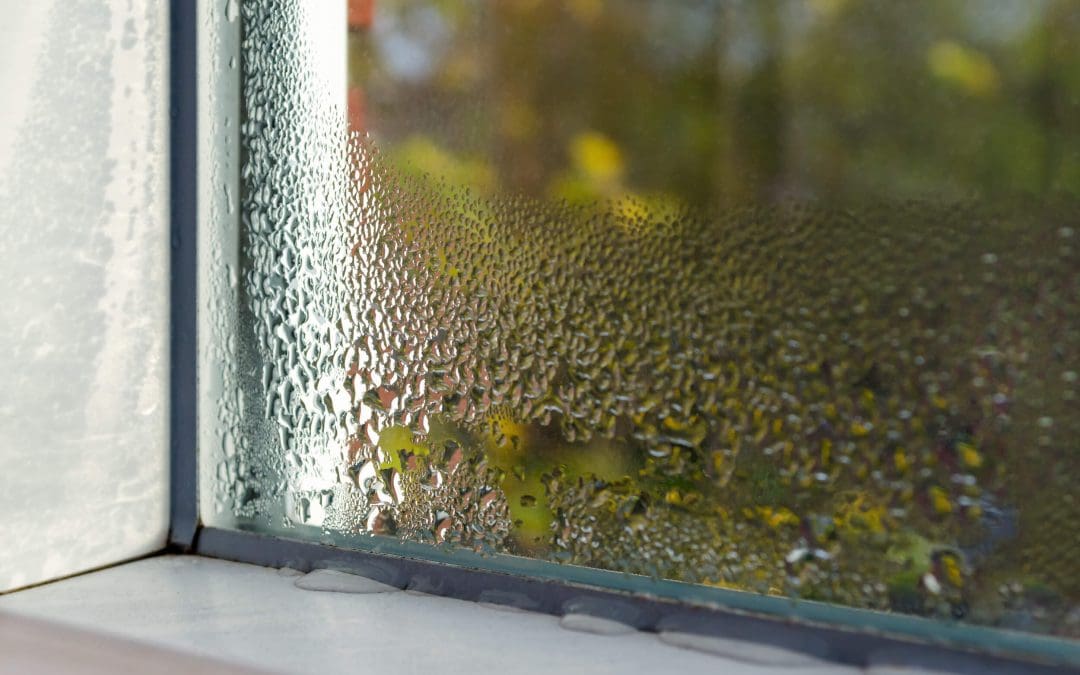
Condensation is one of those building performance issues that commercial property owners often dismiss as a nuisance until the moisture damage, mold growth, and air quality complaints make it impossible to ignore. The ability to prevent condensation in a commercial setting is more complex than in a residential one because the scale of the building, the variability of occupancy, and the demands on HVAC systems create conditions that standard residential strategies don’t address. Understanding what drives condensation and the specific measures that prevent it at the source is the foundation of managing indoor moisture before it produces problems far more expensive to remediate than to prevent.
What Causes Condensation and How to Prevent Condensation at the Source
Condensation forms when warm, humid air contacts a surface cold enough to drop the air’s temperature below its dew point, the temperature at which moisture vapor becomes liquid water. In commercial buildings, this happens on windows, cold pipes, exterior walls with thermal bridging, and HVAC components that cycle between temperatures. To prevent condensation, the building’s systems and envelope must manage the relationship between surface temperature and indoor humidity. Humidity control is the most direct lever to prevent condensation. Indoor relative humidity consistently above 55 to 60 percent dramatically increases the likelihood that any surface below the dew point will produce condensation. Commercial HVAC systems with dedicated dehumidification, or supplemented with commercial dehumidifiers in high-moisture areas, maintain the humidity range that keeps glass, pipes, and structural surfaces dry. Monitoring humidity with calibrated sensors at multiple locations provides the data needed to manage proactively.
Thermal bridging through steel framing, concrete columns, and window frames creates the cold surface temperatures where condensation forms despite HVAC performance. Addressing it through insulation of structural penetrations, thermal break materials at window frames, and continuous insulation at the exterior envelope prevents the cold spots that condensation reliably targets.
HVAC System Management in Commercial Spaces
The HVAC system in a commercial building is the primary tool available to prevent condensation, and its configuration, maintenance, and operational strategy directly determine whether condensation is managed or merely responded to. Chilled water pipes and refrigerant lines running through unconditioned spaces are among the most consistent condensation sources in commercial buildings. Pipe insulation rated for the specific operating temperature and ambient conditions prevents the surface temperature differential that produces dripping in mechanical rooms and ceiling cavities. Compromised insulation must be restored to maintain effectiveness. Supply air diffusers introducing cold air below the room’s dew point are another common source, particularly in humid climates during cooling season. An HVAC engineer reviewing persistent diffuser condensation can identify whether the issue is in equipment settings, placement, or the building’s humidity management strategy.
The Building Envelope Measures That Prevent Condensation Long-Term
Window and glazing systems with thermally broken frames, low-emissivity coatings, and appropriate air gap specification for the climate zone maintain interior glass surface temperatures above the dew point in all but the most extreme outdoor conditions. Retrofitting single-pane or thermally unbroken window systems in older commercial buildings with modern glazing is among the most impactful long-term condensation prevention investments, addressing thermal performance, condensation risk, and energy cost simultaneously. Vapor retarder installation on the warm side of insulation in wall and roof assemblies prevents moisture-laden interior air from migrating into the building envelope, contacting cold surfaces, and condensing within the assembly, producing deterioration of insulation and structural components from the inside out. The appropriate vapor retarder specification depends on climate zone, assembly type, and occupancy profile.
Frequently Asked Questions (FAQs)
Why is condensation a more serious issue in commercial buildings than residential ones?
The scale of commercial buildings amplifies every consequence: thousands of square feet of glazing, hundreds of pipe runs, and dozens of HVAC components each represent potential condensation sites. Commercial spaces also generate more moisture per square foot than residential occupancy. Liability from mold-related air quality complaints and business disruption from remediation make prevention far more economically urgent in commercial contexts.
How do I know if my commercial building has a condensation problem I’m not seeing?
The most reliable indicators are musty odors in specific areas, recurring mold growth, unexplained deterioration of ceiling tiles away from plumbing, and tenant air quality complaints. Thermal imaging by a qualified infrared thermographer locates abnormal surface temperatures without destructive investigation. A building envelope assessment provides a systematic approach to identifying condensation sources not yet producing visible symptoms.
What humidity level should a commercial building maintain to prevent condensation?
Most commercial building standards target indoor relative humidity between 40 and 60 percent for occupant comfort and to prevent condensation on typical building surfaces. In buildings with significant glass area, cold pipe runs, or extreme climates, maintaining humidity below 50 percent provides a greater safety margin. ASHRAE guidelines provide climate-zone-specific recommendations; the appropriate target depends on the building’s climate, construction, and occupancy type.
Does condensation on windows indicate a problem with the HVAC system or the windows themselves?
Often both. Persistent window condensation typically indicates either indoor humidity too high for the glazing system’s thermal performance, or glazing performance inadequate for the humidity the building operates at. If condensation occurs across all glazing, indoor humidity management is the more likely primary cause; if only on specific windows, the glazing itself is more likely the primary factor. A building envelope specialist can assess both variables and recommend whether the solution lies in the HVAC strategy, the window specification, or a combination.
How often should commercial buildings inspect insulation systems?
Pipe insulation and envelope insulation should be assessed annually as part of routine building maintenance, with specific attention to areas where condensation has been observed or where mechanical or pest activity may have damaged insulation continuity. Thermal imaging is the most efficient tool for identifying insulation deficiencies across large areas without destructive investigation. Buildings in high-humidity climates or with significant cold pipe infrastructure benefit from more frequent assessment given the higher stakes of insulation failure.
St. James Commercial Property Inspections offers inspection services in North Carolina and Southern Virginia. Contact us to request an appointment.