Subtle signs of pests that go unnoticed for weeks or months: a few droppings behind a storage shelf, a small gnaw mark on a door frame, an unusual odor near a utility chase. By the time a pest problem becomes obvious, the infestation has typically been established long enough to require significant intervention. For commercial property owners, the stakes go beyond discomfort. Pest infestations can trigger regulatory violations, damage a business’s reputation, compromise inventory, and create liability concerns that far exceed the cost of early detection and treatment.
Why Commercial Properties Are Particularly Vulnerable to Signs of Pests
Commercial properties present unique vulnerabilities that residential buildings don’t share. Higher foot traffic means more frequent opportunities for pests to enter with people, deliveries, and shipments. Loading docks, receiving areas, and storage rooms create harborage conditions that pests find ideal. Food service areas, break rooms, and shared tenant spaces provide the food and water sources that sustain colonies once established. The scale of commercial buildings also means signs of pests may develop in areas rarely accessed, such as mechanical rooms, ceiling voids, and storage areas that may go uninspected for extended periods. Early detection requires deliberate effort and a structured inspection routine rather than passive awareness.
The Most Common Signs of Pests in Commercial Properties
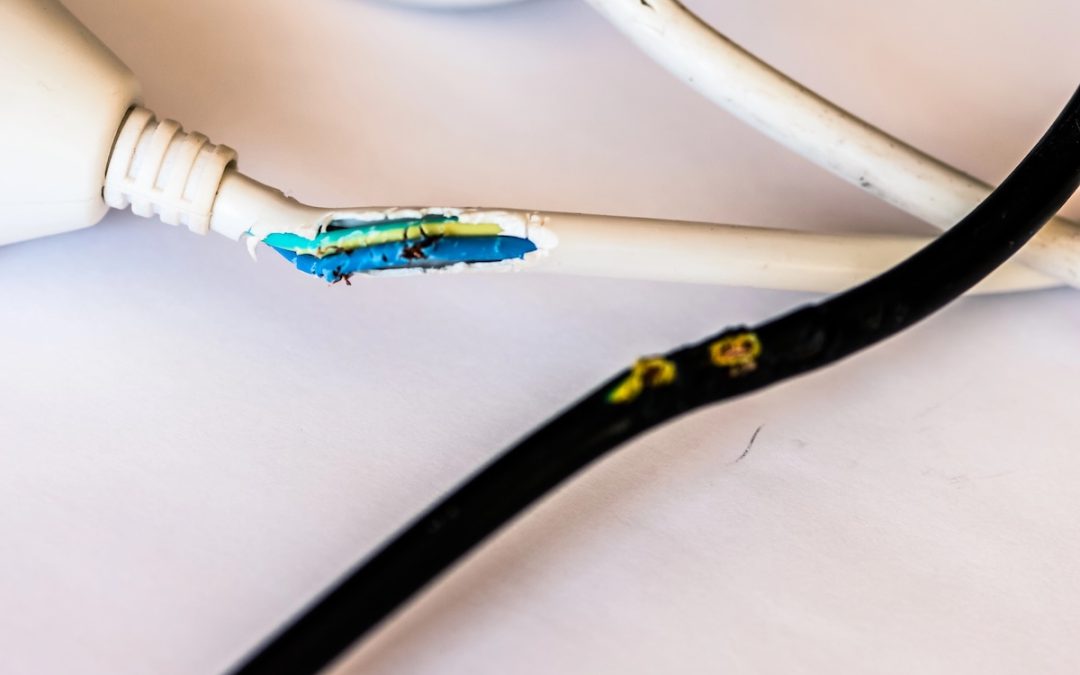
Rodent activity is among the most frequently encountered pest problems in commercial buildings. Droppings along baseboards, behind equipment, and in storage areas are the most reliable indicators of active presence. Gnaw marks on food packaging, structural materials, and electrical wiring are both a sign of current activity and a serious safety concern. Rodent damage to wiring is a documented fire hazard. Grease marks along walls and floor edges indicate rodents are regularly traveling established routes, suggesting an established population rather than an isolated intrusion. Nesting materials found in concealed areas confirm that rodents are actively living within the building rather than passing through.
Cockroach infestations present differently but are equally serious. Seeing cockroaches during daylight almost always indicates a large population that has overwhelmed available harborage. Egg casings, shed skins, and dark fecal spotting near plumbing and under equipment are all signs of pests requiring immediate professional attention. Stored product pests, like beetles, moths, and weevils, can be particularly difficult to detect early. Signs include webbing inside packaging, small holes in containers, fine powdery debris, and adult insects near stored goods.
Signs That Often Go Undetected
Some of the most telling signs of pests in commercial settings aren’t immediately obvious. Musty or ammonia-like odors in enclosed spaces often indicate an established rodent or cockroach population before any visual evidence appears. Trained inspectors can detect cockroach aggregation pheromones or rodent urine in early-stage infestations. Structural damage, such as small holes near plumbing penetrations, gnawed edges on expansion foam, and widened gaps around conduit, frequently has a pest origin. Entry points are almost always around utilities and HVAC penetrations where gaps provide both access and concealed travel routes. Exterior signs of pests deserve equal attention. Burrow holes along the foundation perimeter, disturbed mulch near entry points, and ant trails on exterior walls all indicate populations already inside or actively seeking entry. Addressing exterior signs before they become interior problems is always more effective and less costly.
Responding to Signs of Pests in Your Commercial Property
When signs of pests are identified, the response should be immediate. Commercial pest situations rarely benefit from a wait-and-see approach. Contact a licensed commercial pest control professional rather than attempting retail products, which are rarely adequate for established commercial infestations. Document all signs of pests thoroughly with photographs, locations, dates, and related conditions such as entry points or harborage areas. This documentation is valuable for the professional’s assessment and essential if regulatory inspections or tenant notifications become necessary. Establish a formal Integrated Pest Management (IPM) program rather than treating pest control as reactive. IPM combines routine inspections, exclusion measures, environmental modifications, and targeted treatments into a proactive system that catches signs of pests before they escalate.
Frequently Asked Questions (FAQs)
How often should a commercial property be professionally inspected for pests?
Most commercial properties benefit from monthly professional inspections, with more frequent visits for food service, healthcare, and properties with a previous infestation history. A licensed commercial pest control provider can recommend a frequency appropriate for your specific property type and risk profile.
What are the regulatory consequences of a pest infestation in a commercial property?
Consequences vary by property type and jurisdiction but could include health department citations, closure of food service operations, failed inspections affecting licensing, and tenant claims. For regulated industries, infestations can trigger mandatory reporting and significant fines. Proactive pest management is far less costly than regulatory consequences.
Can pests affect my commercial property’s insurance coverage?
Pest damage is generally excluded from standard commercial property policies, particularly when resulting from deferred maintenance or ignored activity. The more significant concern is liability. Specialized pest damage coverage is available as a rider or endorsement from some insurers.
Who is responsible for pest control, the owner or the tenant?
Responsibility is typically defined by the lease agreement. Many leases assign interior pest control to the tenant while the owner retains responsibility for structural issues and exterior perimeter control. However, if an infestation stems from a building deficiency, the owner may bear liability regardless of lease language. Review your lease terms carefully and consult legal counsel if responsibility is unclear.
What can I do proactively to reduce the risk of pests in my commercial property?
Exclusion is the most effective long-term prevention strategy. Sealing gaps around all utility penetrations, plumbing, and HVAC equipment eliminates primary entry routes. Managing exterior conditions reduces harborage and attractants near the building. Implementing formal sanitation protocols for food-handling and break room areas removes the sustaining resources that allow pest populations to thrive once they’ve entered.
St. James Commercial Property Inspections offers inspection services in North Carolina and Southern Virginia. Contact us to request an appointment.