Running a commercial property comes with serious responsibilities, and ensuring a safe and secure environment is among the most critical. Whether managing an office building, retail space, or industrial facility, the need to improve security is constant. A proactive, layered approach to security gives property owners and managers the control they need to protect assets, employees, tenants, and customers.
Why Commercial Properties Must Improve Security Consistently
Security in a commercial setting is more complex than simply locking doors or installing a camera. Commercial properties experience significantly higher foot traffic than residential spaces, involve multiple access points, and often house sensitive data, expensive equipment, or large amounts of inventory. All of that creates a wider attack surface that requires a more comprehensive security strategy. Beyond the physical and financial risks, inadequate security may also create compliance issues. Many industries have regulatory requirements around access control, data security, and emergency preparedness. Building a strong, layered security program addresses these obligations while also building confidence among the people who work in, visit, and lease your property.
Improve Security With Access Control Systems
Controlling who enters and exits a property is one of the most impactful ways to improve security in a commercial environment. Modern access control systems restrict entry to authorized individuals and eliminate the vulnerabilities associated with traditional key systems, in which lost or copied keys create lasting exposure. Beyond restricting access, these systems provide valuable tracking capabilities that allow property managers to monitor movement throughout the building and generate detailed access logs. Sensitive areas like server rooms, storage facilities, and executive spaces can be protected with tiered access levels that limit entry to only those who genuinely need it. The combination of restriction and documentation makes access control one of the highest-return security investments available.
Surveillance, Lighting, and Physical Security Measures
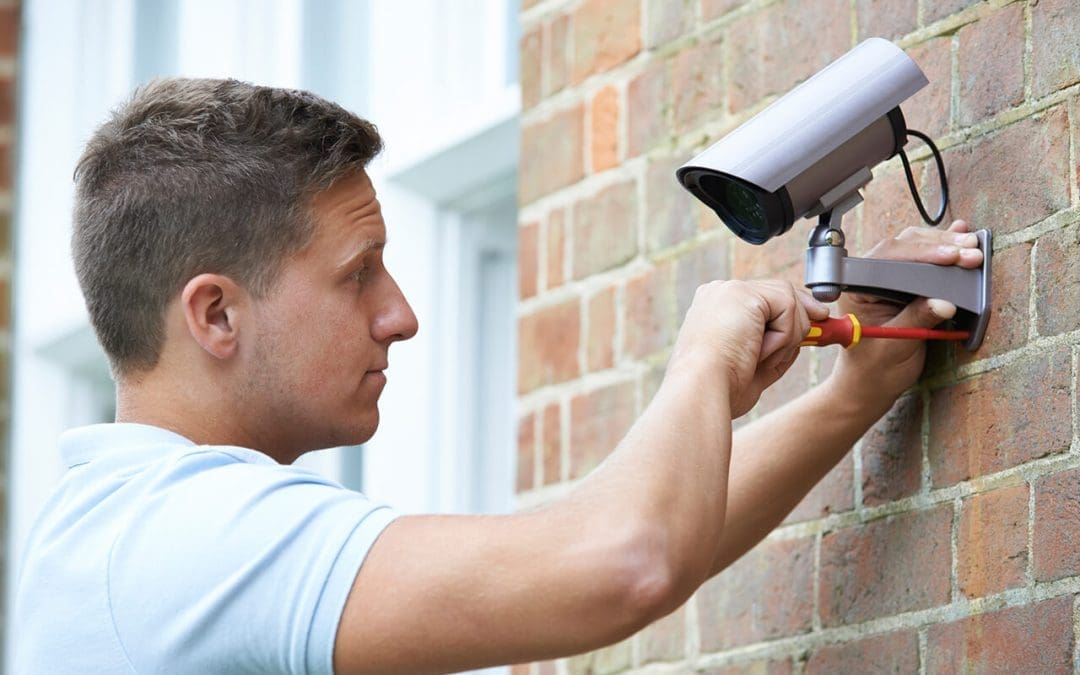
Surveillance systems are a cornerstone of any commercial security strategy. High-quality cameras positioned strategically at entrances, exits, parking areas, and high-value zones provide continuous monitoring, serve as a strong visual deterrent, and deliver documented evidence when incidents do occur. Modern systems offer remote access, motion detection, real-time alerts, and cloud storage, capabilities that allow property managers to monitor and respond to situations from anywhere. Lighting works in direct partnership with surveillance. Poorly lit areas around entry points, parking lots, and perimeter fencing create blind spots that are easily exploited. Motion-activated lighting in low-traffic areas and consistent illumination around all access points significantly reduce opportunity for criminal activity and improve the effectiveness of camera coverage.
Physical security measures form the foundation that technology builds upon. Reinforced doors, high-quality locks, security glazing on vulnerable windows, and perimeter barriers like bollards and fencing all add meaningful layers of protection that deter and delay unauthorized access. These elements require regular inspection and maintenance to remain effective.
Improve Security Through Employee Training and Emergency Preparedness
Technology and infrastructure can only do so much; the people occupying and operating within a commercial property play an equally important role in maintaining security. Employees and tenants should understand basic security protocols, know how to recognize and report suspicious behavior, and follow access procedures consistently. Security awareness training doesn’t have to be complicated; even brief, regular communication about best practices significantly reduces human error, which remains one of the most common security vulnerabilities in any organization.
Emergency preparedness is an often-overlooked component of security. Clearly marked and unobstructed emergency exits, regularly tested alarm systems, and well-communicated response plans ensure that everyone on the property knows exactly what to do when something goes wrong. Fast, coordinated responses to fires, security breaches, or other emergencies minimize harm and limit operational disruption.
Keep Systems Updated Through Regular Maintenance and Inspections
Even the best security infrastructure loses effectiveness without consistent upkeep. Cameras go offline, access credentials become outdated, locks wear down, and vulnerabilities emerge. Scheduling regular inspections of all security systems, physical and technological, ensures everything continues to perform as intended. Update firmware and software on digital systems regularly, replace aging hardware before it fails, and audit access credentials periodically to remove former employees or contractors. Consistent maintenance protects the investment already made in security infrastructure and ensures that your efforts to improve security remain effective over the long term rather than degrading quietly in the background.
Frequently Asked Questions (FAQs)
Why is it so important to improve security in commercial properties?
Commercial properties face higher traffic, more access points, and greater financial exposure than residential spaces. Inadequate security creates vulnerabilities to theft, vandalism, liability, and compliance failures that could be costly and damaging to both operations and reputation.
What are the most effective ways to improve security in a commercial setting?
A layered approach delivers the best results, combining access control systems, surveillance, and lighting, reinforced physical barriers, employee awareness training, and regular system maintenance.
How often should commercial security systems be updated or inspected?
Security equipment and software should be reviewed at least annually, with more frequent checks for high-risk properties or those experiencing rapid changes in tenancy or use.
Does improving security increase commercial property value?
Absolutely. A well-secured property is significantly more attractive to tenants, reduces insurance risk, and signals to potential buyers that the asset has been well managed. Security improvements are consistently viewed as value-adding upgrades in the commercial real estate market.
St. James Commercial Property Inspections offers inspection services in North Carolina and Southern Virginia. Contact us to request an appointment.