From a sudden pipe burst to a failing HVAC system, emergency repairs are an inevitable part of property management. While some issues might seem minor at first glance, ignoring critical problems may lead to devastating consequences, including costly structural damage, lost revenue, safety hazards, and even legal liabilities. Spotting the warning signs of an issue early is essential for risk management.
The Silent Threat: Water-Related Emergency Repairs
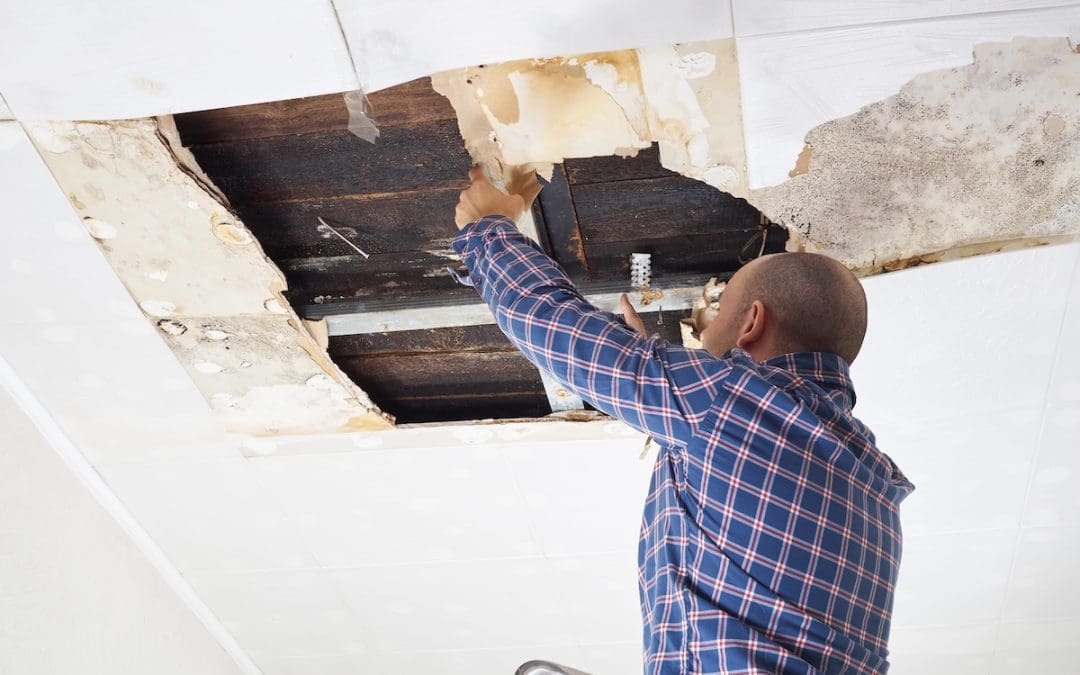
Water is a commercial property’s arch-nemesis when it goes where it shouldn’t. A seemingly small drip can quickly escalate into a catastrophic flood, causing extensive damage to inventory, equipment, and the building’s infrastructure. Look out for signs like unexplained puddles, water stains on ceilings or walls, or a sudden drop in water pressure. A burst pipe, whether due to freezing or corrosion, requires immediate shutdown of the main water supply and professional intervention. Leaking roofs, especially after heavy rain, also fall into this category; while a temporary patch might buy you time, a permanent repair is crucial to prevent long-term damage like mold growth, wood rot, and compromised structural integrity. Neglecting these issues could lead to expensive remediation and significant operational downtime for your tenants.
Act Fast with Electrical Emergency Repairs
Electrical problems pose serious fire risks and could lead to power outages that cripple business operations. Any flickering lights, burning smells, buzzing sounds from outlets or circuit breakers, or frequently tripped breakers should trigger an immediate call to an electrician. Never attempt to fix electrical issues yourself, especially in a commercial setting where the loads and systems are significantly more intricate than in a residential property. Faulty wiring, overloaded circuits, and damaged outlets could spark fires, injure occupants, or destroy expensive equipment. A complete power outage also warrants urgent attention, as it may halt business activities, affect security systems, and compromise temperature-sensitive goods.
Critical Emergency Repairs for Comfort and Operations
In a commercial environment, a malfunctioning HVAC system will quickly make a space uninhabitable, impacting employee productivity, customer comfort, and even the viability of certain businesses. If your heating or cooling system completely breaks down, especially during extreme weather, it’s an emergency. Beyond discomfort, extreme temperatures could damage sensitive equipment, compromise health, and make your property non-compliant with workplace regulations. Strange noises coming from the unit, unusual odors, or a sudden lack of airflow are all indicators that professional attention is needed.
Structural Integrity: Unmissable Emergency Repairs
While less common, issues compromising the structural integrity of your commercial property are the most critical type of emergency repairs. These are not problems you can “wait and see” about. Cracks in foundational walls, sagging roofs, sudden bulges in ceilings, or noticeable shifts in the building’s alignment are all severe warning signs. These could indicate foundation problems, compromised support beams, or serious water damage that has weakened core components. Any signs of impending collapse or significant structural instability require you to secure the area, prevent access, and call structural engineers or specialized contractors immediately.
When Your Property’s Safety is Compromised
A commercial property’s security is vital for protecting assets, inventory, and personnel. When security systems are compromised, it constitutes an urgent situation requiring immediate attention. This includes damaged entry points like broken doors or windows, malfunctioning alarm systems, or non-responsive access control systems. If your property experiences a break-in, the priority is not only to involve law enforcement but also to secure the premises against further intrusion by immediately repairing damaged locks, doors, or windows. Faulty surveillance cameras or lighting create vulnerabilities that need quick fixes. Ensuring your property is secure 24/7 is essential for preventing theft and vandalism and for maintaining tenant confidence.
By understanding what constitutes an emergency and acting swiftly, you will mitigate damage, protect your occupants, and preserve the long-term value of your investment.
Frequently Asked Questions (FAQs)
What’s the first step I should take when an emergency issue arises?
Your first step should always be to ensure everyone’s safety on the property. If it’s an electrical issue, cut power. If it’s a water leak, shut off the main water supply. Then, immediately contact a qualified professional.
Is it more cost-effective to do repairs myself?
For commercial properties, it’s almost always advisable to hire licensed professionals for emergency repairs. DIY fixes could lead to further damage, void warranties, create safety hazards, and may not comply with commercial building codes, potentially costing more in the long run.
How can I prepare for a potential emergency in advance?
Develop an emergency preparedness plan that includes a list of trusted contractors for various trades (plumbing, electrical, HVAC), know the location of shut-off valves and main circuit breakers, and conduct regular maintenance to prevent common issues.
Will my property insurance cover all types of emergency repairs?
Commercial property insurance typically covers sudden and accidental damage, which often includes many emergency repairs. However, it’s crucial to review your specific policy to understand what is covered.
St. James Commercial Property Inspections offers inspection services in North Carolina and Southern Virginia. Contact us to request an appointment.